Affordable Tree Health Near Me Now
Learn About Key Arboriculture Techniques for Maximum Tree Health
Understanding tree care is crucial for maintaining a healthy environment. Important techniques such as mulching and pruning play significant roles in enhancing tree health. Additionally, the right way to water are crucial for new root growth. Yet, many people overlook the indicators of tree illness and the importance of hiring professionals. Looking into these areas can result in a better understanding for how to maintain trees. What measures can be adopted to make sure their trees flourish?
The Significance of Tree Well-being
Understanding the importance of tree health is vital, as trees are instrumental in keeping nature balanced and making urban areas better. Healthy trees contribute to the quality of the air, offer cooling shade, and sustain animal homes. They also help mitigate global warming by absorbing CO2, proving their necessity for long-term ecological health.
In city environments, healthy urban trees look better, increase property values, and support public welfare. Their presence can reduce the urban heat effect in cities, resulting in reduced utility bills.
Neglecting tree health, in contrast, can lead to illness, bug invasions, and weakness in structure, creating dangers to infrastructure and the trees themselves. As a result, recognizing the indicators of tree health, for example, leaf hue, its development rate, and bark condition, is vital for successful maintenance. Ultimately, promoting tree health benefits not just private yards but the entire environment as well, stressing the importance for proactive care and care methods.
Vital Trimming Practices
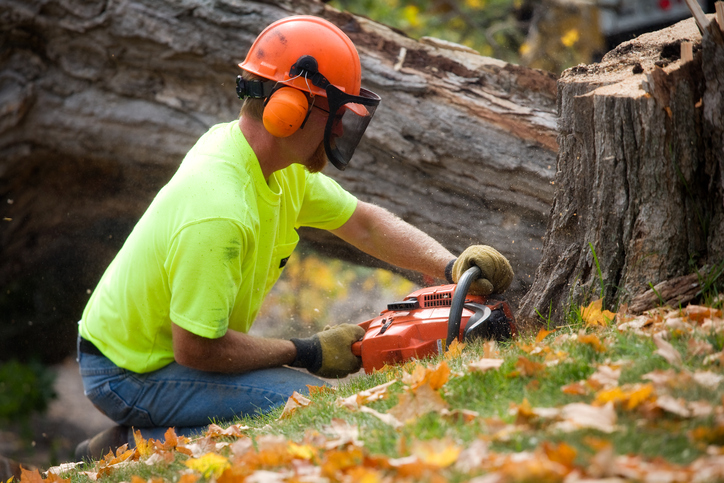
Trimming is a key technique in tree care that promotes strong growth and vitality, as it gets rid of sick or dead limbs and boosts ventilation within the canopy. Applying correct practices ensures the trees can grow well in their setting.
An essential practice is "thinning," which requires careful branch removal to improve sunlight exposure and decrease stress on weaker parts. 'Tip pruning' are another method, where the terminal buds are removed to stimulate lateral branching, particularly for young trees. In addition, the 'crown reduction' technique reduces the height and spread of a tree while preserving its inherent form.
Timing is essential; cutting during the inactive period minimizes stress and optimizes healing. Equipment needs to be clean and honed to minimize harm and infection transfer. Knowing these essential trimming methods is crucial for any tree care professional aiming to maintain healthy and beautiful trees.
Identifying Common Tree Diseases
How do tree owners identify the symptoms of frequent ailments that endanger their trees? Awareness of specific symptoms is essential for early detection and treatment. These often include foliage that is off-color or limp, suggesting potential fungal issues or insufficient nourishment. Strange developments, for example, galls and cankers, can signal the presence of pests or pathogens that compromise tree health. Furthermore, bark shedding or sticky sap may indicate infections that demand quick action.
Arborists should look for alterations in the tree's form, such as branches dying or leaves falling, which might indicate a serious problem beneath the surface. Watching for evidence of bug problems, such as holes in the bark or frass, is just as critical. By remaining vigilant and proactive, they can recognize these typical illnesses and seek appropriate remedies, to keep their trees healthy and vigorous throughout the seasons.
The Role of Mulching in Tree Care
Applying mulch is a vital method in tree care, providing many advantages that promote healthy growth and hardiness. It means spreading a layer of specific material types around the base of a tree, helping to keep the soil damp, keeping weeds down, and stabilizing soil warmth. The mulch covering does more than minimize competition from invasive plants but also enhances the aesthetic appeal of the area.
In addition, natural mulching materials, such as wood chips or bark, decompose over time, adding vital nutrients to the soil and enhancing the soil's composition. This continuous action supports root development and fosters a healthier environment for the plant. Furthermore, mulch application minimizes the erosion of soil, thereby stabilizing of the tree’s root system. Appropriately spread mulch should be spread in a ring shape, avoiding direct contact with the trunk to stop decay. In conclusion, incorporating mulching into tree care routines considerably contributes to the sustained well-being of trees.
Optimal Watering Methods for Trees
Effective tree care requires not only mulching but also correct hydration methods to guarantee ideal growth and health. Trees, particularly newly planted ones, demand regular water to form solid root networks. It is vital to water deeply, as it promotes roots to descend where moisture is more stable. Optimally, trees need roughly one inch of water per week, whether through rainfall or practical guide supplemental irrigation.
Watering should be done at dawn to minimize water loss and fungal diseases. It is important to avoid overwatering, which may result in root rot and other issues. The soil should be checked for moisture before watering; when the top two inches feel dry, then watering is necessary. Additionally, utilizing drip irrigation or drip irrigation offers a slow, constant flow of water, guaranteeing trees are sufficiently hydrated without the potential for wasted water. Correct watering methods significantly aid to the general well-being of trees.
Hiring Professional Tree Services: When and Why
When assessing the condition and aesthetics of a property, hiring professional tree services can be crucial for homeowners with complicated tree maintenance requirements. Trained arborists hold the expertise to evaluate the condition of trees, spot illnesses, and execute beneficial procedures. Professionals are familiar with local regulations for removing trees and maintenance, ensuring adherence and avoiding potential fines
(Stillwater Tree Service)Property owners ought to hire experts when dealing with big trees, especially those close to buildings or power lines, as improper handling can pose safety risks. Furthermore, trees requiring pruning for looks or well-being profit from the expertise of trained specialists who can make accurate cuts to promote growth
Routine seasonal work, such as pre-storm readiness and post-storm tidying, need professional assistance to keep the property safe and appearance. As a result, engaging professional tree services ensures optimal tree maintenance, which benefits greatly the overall landscape and home valuation
Commonly Asked Questions
What Are the Signs if My Tree Is Overwatered?
Signs of overwatering in trees include yellowing leaves, wilting despite moist soil, root rot, and excessive leaf drop. In addition, the development of mold or fungus at the tree's base can signal slow soil percolation and waterlogged conditions.
What Is the Best Time of Year for Tree Pruning?
The best time for tree pruning is generally in the cold months before spring before new growth begins - Stillwater Tree Service. Scheduling the work then supports robust regeneration and minimizes stress on the tree, allowing for effective healing and maturation
Do Trees Bounce Back After Significant Weather Events?
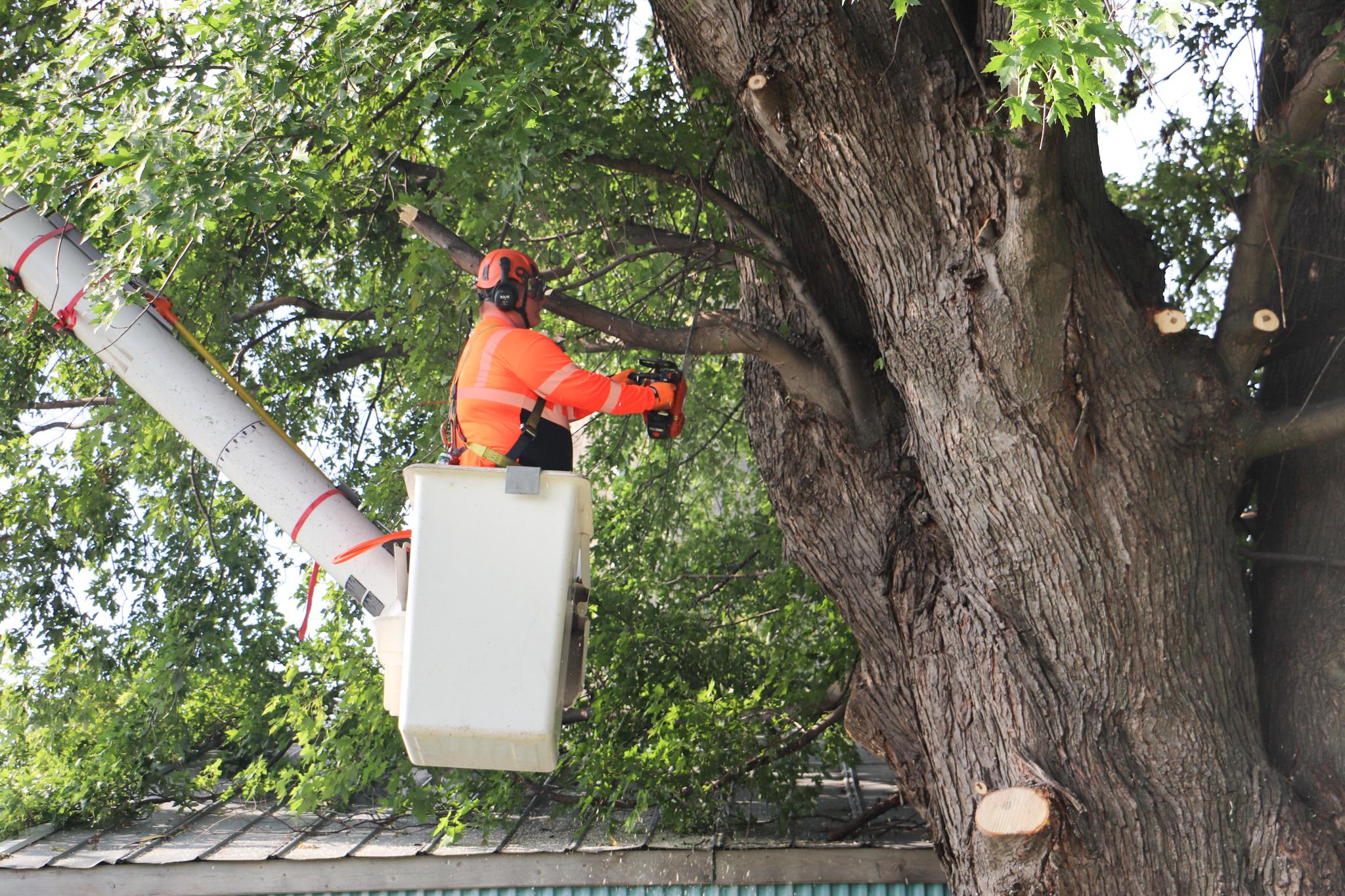
It is possible for trees to bounce back after severe weather. With proper care, like trimming broken branches and supplying necessary moisture and food, many trees can regain their health and keep growing strong following a stressful event.
What Should I Look For When Choosing the Right Mulch for My Trees?
When selecting appropriate mulch, one should consider organic materials like wood chips or bark, ensure a layer 2 to 4 inches deep, and keep mulch away from the tree collar to minimize fungal issues.
Are Some Trees Higher Maintenance Than Others?
Certain trees, for instance, new plantings and orchard trees, require greater attention due to their sensitivity to environmental changes and specialized fertilization demands. Consistent observation and customized care routines are crucial for their well-being and flourishing.